Randomness = Structure
Randomness in play is more about order and structure than chaos.
I split randomness into two broad categories: outcome randomness and choice randomness. Choice randomness meaning random-tables, selecting a class, or day of the week to post on.
Outcome randomness is about determining what happens in play: dice mechanics, odds etc. Everything I am about to say is really about this kind of randomness.
Let me randomly(?) make some points:
Odds increase order
I saw an example of an odds-based system the other day (lost the link sorry) which was a neat little system that had something like 'When a character does something dangerous there is a 1/6 chance that they will die.'
Imagine if someone told you those odds every time you got in a car. You would never get in a car. Even much better odds would be terrifying.
What these odds do is provide a massive reduction in uncertainty, by collapsing the likelihood of outcomes.
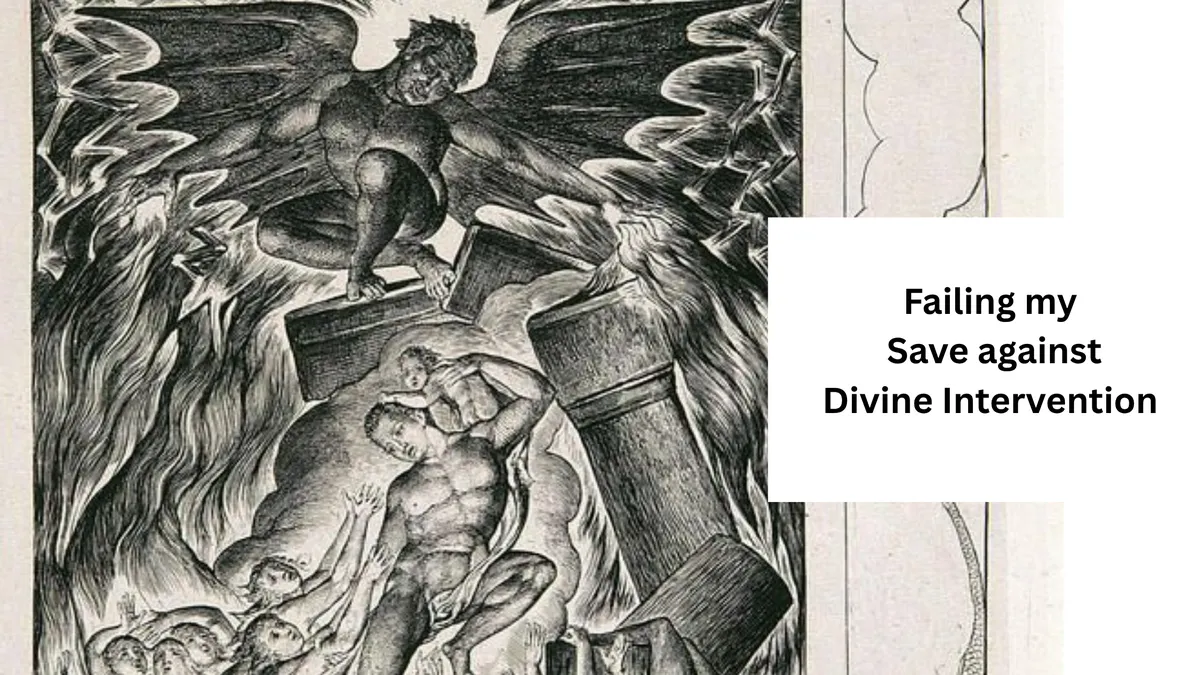
Randomness structures what happens next
The idea of a Move can help explain this. A Move is a thing that is designed that when something randomly/naturally occurs in conversation, the move comes in to limit the possible range of outcomes and next actions.
The actual natural flow of the conversation is far more difficult to predict without the Move; it is more random before this structure is applied to it.
Often dice (etc.) in action-resolution in TTRPGs can be even more structuring and limiting than a Move. Combat is an obvious example.
Let's imagine a situation where in your fantasy game where you shoot a pair of arrows at a mysterious assailant's head. I'll let you fill in the details of setting etc. but if you think for a moment at all the possible outcomes of that situation? Take 10 seconds, let your mind run rampant.
Now let's roll a d20 and add a modifier, immediately what has happened to our range of outcomes? They've shrunk to "miss/hit" with some follow on. Well we hit, and this system uses damage, so our hit outcome is followed by another: "deal x damage", which becomes another binary check of "lethal or not"?
The use of the dice is there to override 'randomness' and provide a structure for outcomes that can limit our natural, complex and unpredictable creativity.
Randomness imposes our world onto their world
God may not play dice, but as the creators of our play-worlds we most certainly do.
An example of this I saw in a recent Dimension20 episode, where a character rolled very high to persuade someone, but caught up in a joke, had their character saying nonsense in the attempt. At one point the GM, in a common phrase of theirs, says 'I am trying so hard to honour the result.' The next week ‘I have to let you guys stop rolling before we do the scene. You guys know it’s too funny when I have to let you succeed.’ ‘Yes!’ say the players.
The logic of the fictional world, the players’ own play in and perspective of that world, are made secondary to a dice roll disconnected from that world. The aforementioned damage dice is a classic example of this: 'I thrust my sword deep into his stomach and do 4 points of damage'. Like many mechanics [e.g. turntaking] in games they override the world we're playing in favour of the world we're attempting to get out of for a while.
This also leads to a sub-point about:
OPEN ROLLS RUIN SURPRISE
I invite you to watch 20 seconds from this point of this great video.
To sum-up: the player wants to know if doing something will cause a scandal. They roll a dice to see if they do know this, they "fail" and are therefore told, 'of course it's fine to do this thing'.
So the dice roll does what we have said: it sets odds for the knowledge, it imposes certainty and structure for the players, and it overrides the actual world itself. But the world still has to progress as normal, as though none of this had happened. The players have to come up with reasons to explain away the result (and they do successfully) but how much better would this moment have been if they had ignored the dice roll and then just seen what happened.
Or use a brilliant dice system that allows for hidden results.
To conclude
Random tools like dice and tables are fantastic to use in TTRPGs, they aid the players magnificently to reduce the real complexity and randomness of the world and produce something altogether more ordered and simple to engage with. Random tools are things we use to structure and dampen down randomness.
A truer randomness comes from allowing people to play freely. There is this phrase that often gets thrown out about this thing called "GM Fiat", where there is a strange sense that humans are somehow rational and ordered, filled with bias and purpose in every decision. But we're not, we are far more complex and random and creative than any set of dice and Target Numbers.
SHORT ASIDE
My game The Wyrd Lands and the Wyrd System is all about this strange conflict between the seemingly meaningful chaos of nature and other people, called the Wyrd, and the Will to force things to happen.
Please follow along with this blog for more of my RPG musings and my accounts of designing The Wyrd Lands RPG and others.
Contact me on Itch
Email: wyrdrpgs@gmail.com
Instagram: thewyrdlands